How Elf Became a Cult Christmas Classic
Will Ferrell's Elf started as a holiday comedy in 2003 and became a Christmas tradition. Discover how Buddy the Elf captured audiences' hearts and earned a permanent place among holiday movie classics.

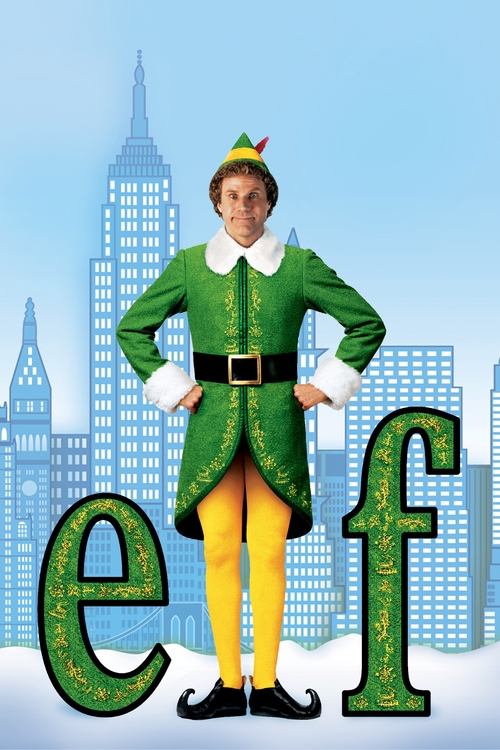
Some Christmas movies are entertaining. Others become traditions. And then there are movies like Elf — films that somehow become part of Christmas itself.
Released in 2003, Elf started as a holiday comedy starring Will Ferrell. More than two decades later, Buddy the Elf remains a Christmas icon, and the movie has become one of the most recognizable holiday films of all time.
But how did Elf become such a cultural phenomenon?
The Origins of Elf
Directed by Jon Favreau, Elf premiered on November 7, 2003.
The story follows Buddy, a human who accidentally ends up at the North Pole as a baby and is raised by Santa's elves.
After discovering that he is actually human, Buddy travels to New York City to find his biological father, Walter Hobbs.
Unfortunately, New York isn't exactly prepared for someone who believes in Christmas quite as much as Buddy does.
Will Ferrell's Performance Changed Everything
It's difficult to imagine Elf without Will Ferrell.
Already known for his comedy work on Saturday Night Live, Ferrell brought something special to Buddy: complete sincerity.
Buddy isn't trying to be funny. He genuinely believes in Christmas, sees the good in everyone, and approaches everyday situations with childlike excitement.
That contrast between Buddy's innocence and the cynical world around him became the foundation of the movie's comedy.
The Supporting Cast Made It Special
- James Caan as Walter Hobbs: Buddy's biological father, a businessman who has lost his Christmas spirit.
- Zooey Deschanel as Jovie: A department store employee who gradually discovers the magic of Christmas through Buddy.
- Bob Newhart as Papa Elf: The loving adoptive father who raises Buddy at the North Pole.
- Ed Asner as Santa Claus: A memorable portrayal of Santa that brings traditional Christmas magic to the story.
Why Elf Was Different From Other Christmas Movies
1. It Made Innocence Funny Again
Buddy approaches the world with enthusiasm instead of cynicism. His reactions to everyday situations create some of the film's funniest moments.
2. It Balanced Comedy With Emotion
Underneath the jokes, Elf is a story about family, belonging, and acceptance. Buddy isn't simply looking for his biological father; he's looking for a place where he belongs.
3. It Embraced Traditional Christmas Magic
The colorful North Pole sets, practical effects, costumes, and old-fashioned visual style give the movie a nostalgic feeling.
The Nostalgic Connection to Classic Christmas Cinema
Director Jon Favreau drew inspiration from older holiday entertainment, particularly the stop-motion Christmas specials produced by Rankin/Bass.
Elf also shares the spirit of beloved Christmas films such as:
- Miracle on 34th Street (1947)
- It's a Wonderful Life (1946)
- A Christmas Story (1983)
- National Lampoon's Christmas Vacation (1989)
- Home Alone (1990)
Rather than replacing these classics, Elf eventually earned a place alongside them.
From Box Office Success to Christmas Tradition
When Elf premiered in 2003, it became an immediate commercial success.
The movie earned approximately $228 million worldwide against a reported production budget of $33 million.
However, its long-term success went far beyond the box office.
Television broadcasts, home video, streaming, merchandise, and annual family viewings helped turn Elf into a holiday tradition.
New generations discovered Buddy while longtime fans continued revisiting the movie every December.
The Quotes That Became Part of Christmas Culture
Some of the movie's most recognizable lines include:
- "The best way to spread Christmas cheer is singing loud for all to hear."
- "Son of a nutcracker!"
- "I just like to smile. Smiling's my favorite."
- "Santa! I know him!"
These lines have become part of Christmas culture, helping keep the movie relevant more than two decades after its release.
Why Elf Still Works More Than 20 Years Later
Many comedies become dated as humor and cultural references change.
Elf has managed to avoid much of that because its central message remains universal.
People still understand the importance of family, the excitement of Christmas morning, and the desire to believe in something magical.
The movie offers something that can be difficult to find in modern entertainment: genuine optimism.
Buddy believes people are good, Christmas is special, and happiness can be shared.
In an increasingly cynical world, that message continues to resonate.
Will Elf Ever Lose Its Place Among Christmas Classics?
Probably not anytime soon.
Every generation has its own collection of holiday movies, but only a handful become permanent traditions.
Elf has achieved that status because it appeals to children, adults, longtime Christmas movie fans, and people who simply enjoy a good comedy.
Its humor is memorable, its characters are lovable, and its message is timeless.
Final Thoughts: Buddy the Elf Is Here to Stay
More than 20 years after its release, Elf remains one of the defining Christmas movies of the modern era.
What began as a comedy about a human raised by elves became something much bigger: a celebration of innocence, family, kindness, and the magic of Christmas.
Will Ferrell's performance gave audiences a character they could revisit every December without growing tired of him.
Perhaps that's the real secret behind the movie's success.
Buddy reminds us that Christmas doesn't have to be complicated. Sometimes all it takes is a little enthusiasm, a lot of candy, and the willingness to believe in something magical.
Because the best way to spread Christmas cheer is singing loud for all to hear.
And that's exactly why Elf will always have a place under the Christmas tree.
Comments